


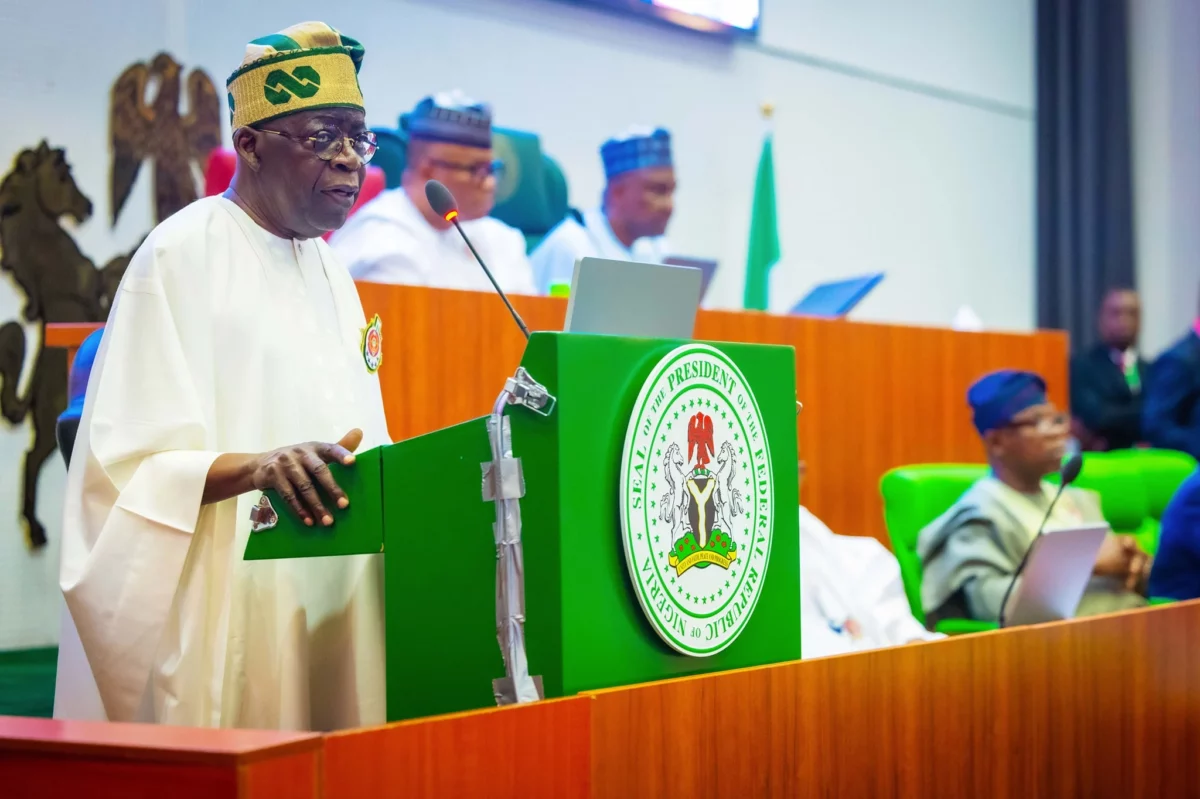






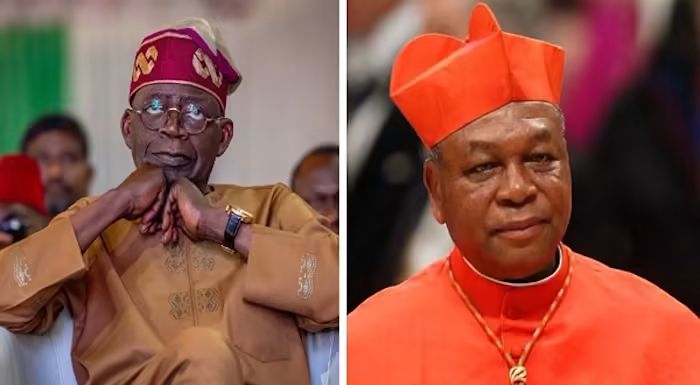
The Presidency has criticised Cardinal John Onaiyekan over his public remarks following a closed-door meeting between President Bola Tinubu and members of the Catholic Bishops’ Conference of Nigeria (CBCN), describing his television interview as an “abuse of clerical privilege.”
In a statement issued on Saturday, Presidential Adviser Temitope Ajayi argued that it was inappropriate for the Catholic cleric to publicly disclose and interpret discussions from what he described as a confidential meeting with the President.
Ajayi maintained that the meeting was held at the request of the Catholic bishops, who presented concerns about Nigeria’s economic hardship, insecurity, and other national challenges. He said President Tinubu listened attentively to the issues raised before responding to each concern.
According to the Presidency, the President acknowledged that Nigeria still faces significant economic and security challenges but insisted that his administration has made notable progress in stabilising the country.
Ajayi said Tinubu explained during the meeting that Nigeria had emerged from what he described as “a dark tunnel,” adding that his administration had laid the foundation for economic recovery and was now focused on ensuring that more Nigerians begin to experience the benefits of ongoing reforms.
On the issue of returning mission schools to their original owners, the Presidency said Tinubu reminded the bishops that such decisions fall within the constitutional powers of state governments. He also cited his record as former Governor of Lagos State, where he approved the return of mission schools.
Defending the administration’s economic performance, Ajayi stated that the Federal Government had restored fiscal discipline and improved the payment of salaries and pensions across several states.
He argued that Tinubu’s response to the bishops was not dismissive but was based on facts and measurable achievements.
“A disagreement over facts should not be interpreted as arrogance,” Ajayi said, insisting that the President merely presented evidence to support his position that the country was making progress.
Addressing security concerns, the Presidency rejected the bishops’ assessment that Nigeria was “bleeding,” noting that Tinubu, as Commander-in-Chief of the Armed Forces, has access to classified intelligence reports, operational briefings, and battlefield assessments unavailable to the general public.
Ajayi also dismissed suggestions that the President relies on public criticism to understand the country’s realities, saying Tinubu receives daily intelligence updates, follows media reports, and maintains extensive engagements with Nigerians across different sectors.
While acknowledging the bishops’ right to raise concerns about national issues, the Presidency stressed that the confidentiality of the meeting should have been respected.
Ajayi argued that it was inappropriate for one of the participants to grant a television interview shortly after the meeting to present his personal account of the private discussions.
He added that privileged access to the President should not be used as a platform for public commentary, urging public figures to exercise discretion in handling confidential engagements.