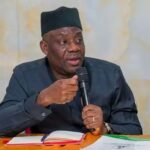






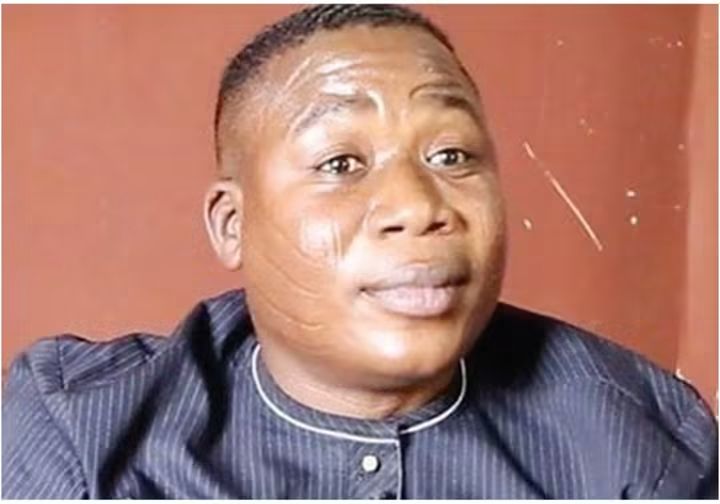
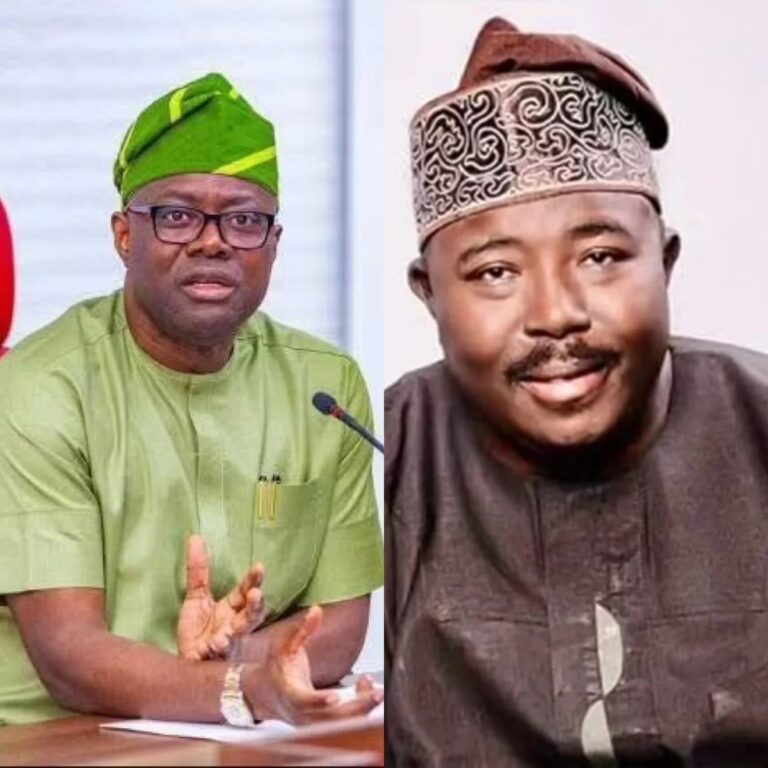


Osborn Nweze Umahi, the 28-year-old son of Nigeria’s Minister of Works, David Umahi, has emerged chairman-elect of Ohaozara Local Government Area of Ebonyi State.
Umahi contested the local government election on the platform of the All Progressives Congress (APC) and was declared the winner of Saturday’s poll.

His victory has generated widespread reactions on social media, with Nigerians debating the influence of political families, succession and the increasing participation of children of prominent politicians in elective positions.
Osborn Umahi, an engineer and businessman, reportedly said he would waive his statutory salary and allowances throughout his tenure, explaining that the decision was aimed at prioritising development and public service.
He also identified infrastructure, youth empowerment, support for businesses and improved local government services as key priorities of his administration.
At 28, his emergence places him among Nigeria’s youngest elected politicians.
However, while some commentators welcomed the development, others questioned whether his victory was driven by popular support or the political influence of his father, who is a prominent APC figure and serving minister in President Bola Tinubu’s administration.
Reacting on social media, one user, Eman, criticised Nigerian politicians for allegedly favouring their children over longtime loyalists.
Another user, Yagazielum, mocked what was described as the continued influence of political families in Ebonyi, writing that residents could end up “serving papa and serving pikin” at the same time.
Ikwo First Son suggested that Osborn Umahi’s emergence could be a stepping stone to higher political office, including a possible governorship bid in the future.
Chief Ndi Orlu also questioned the concentration of political influence within one family, arguing that such a development raised concerns about political representation and governance in the state.
Meanwhile, Radical Duke called on Ebonyi residents to become more politically active, warning that political power could remain concentrated among established elites if citizens failed to take a more active role in shaping the state’s political system.
Another commentator, HUDOARK Snr, focused on the contrast between young Nigerians who become involved in political violence and the privileged backgrounds of some politicians’ children, arguing that members of political elites often receive opportunities abroad before returning to occupy public offices.
The reactions reflect broader concerns about political dynasties in Nigeria, where the children and relatives of serving and former political office holders have increasingly entered elective and appointive positions.
While supporters argue that political families should not be denied opportunities solely because of their backgrounds, critics contend that excessive concentration of political power within families could undermine equal political participation and democratic competition.
Osborn Umahi’s election is therefore likely to remain a subject of public debate as he prepares to assume leadership of Ohaozara Local Government Area.