










CBN Governor Cardoso engages Singapore, Thailand and China as inflation moderates and external reserves hit an 18-year high
Nigeria is strengthening its financial and economic relationships with Asian countries as part of efforts to attract foreign investment, improve cross-border payments and accelerate economic growth.
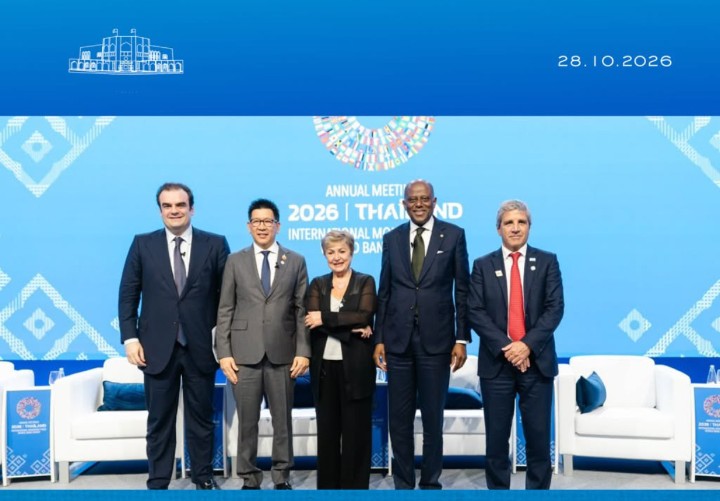
The initiative, highlighted in a statement dated October 28, 2026, focuses on deepening Nigeria’s financial ties with Singapore, Thailand and China, with Central Bank of Nigeria (CBN) Governor Olayemi Cardoso leading engagements aimed at strengthening financial markets and expanding international economic cooperation.
The engagements come as Nigeria continues to implement economic reforms, with inflation reportedly moderating to 14.63 per cent in September 2026 and external reserves exceeding $55 billion, their highest level in 18 years.
The developments are expected to strengthen investor confidence and provide additional opportunities for Nigeria to attract foreign capital into critical sectors of its economy.
Cardoso Leads Financial Diplomacy Initiative
Cardoso’s engagements with financial and economic stakeholders in Singapore, Thailand and China are focused on improving Nigeria’s access to international investment, strengthening financial market infrastructure and facilitating smoother cross-border transactions.
Improved cross-border payment systems could make it easier for businesses to conduct international transactions, reduce payment delays and support trade between Nigeria and Asian economies.
The initiative also seeks to deepen cooperation between Nigeria’s financial institutions and their Asian counterparts, potentially creating opportunities for knowledge sharing, technological advancement and improved financial services.
Asia remains an important destination for international investment and a significant player in global trade. Strengthening Nigeria’s relationship with the region could help diversify the country’s investment sources and expand economic partnerships beyond traditional markets.
Economic Reforms and Improving Macroeconomic Indicators
Nigeria’s renewed financial engagement with Asian economies comes amid ongoing efforts to stabilise the domestic economy through reforms aimed at improving monetary conditions, strengthening external reserves and encouraging investment.
According to the information contained in the October 28 report, inflation declined to 14.63 per cent in September, while the country’s external reserves surpassed $55 billion.
The reported improvement in these indicators could support confidence in Nigeria’s economic outlook, although sustained progress will depend on the effectiveness of government policies, exchange-rate stability, price control measures and broader economic conditions.
Strong external reserves are particularly important because they provide a buffer against external shocks, support international payment obligations and can help strengthen confidence in the country’s capacity to meet foreign-exchange demands.
However, translating improved macroeconomic indicators into tangible benefits for households and businesses remains a major challenge, particularly in areas such as the cost of living, access to credit, employment and business expansion.
Attracting Foreign Investment
Nigeria’s efforts to strengthen financial ties with Asian countries reflect the need to attract foreign capital to support economic development and expand productive capacity.
Increased investment could support infrastructure development, manufacturing, technology, agriculture and other sectors capable of creating jobs and generating foreign-exchange earnings.
Closer financial cooperation could also help Nigerian businesses establish stronger connections with Asian markets, improve access to international financing and explore new opportunities for trade and investment.
For investors, however, the sustainability of economic reforms, regulatory clarity, policy consistency and the ease of doing business will remain important considerations when making long-term investment decisions.
Prospects for Nigeria’s Economy
The renewed engagement with Singapore, Thailand and China underscores Nigeria’s efforts to strengthen international economic partnerships while pursuing domestic reforms.
If effectively implemented, the initiative could help improve financial connectivity, encourage investment inflows and expand opportunities for Nigerian businesses operating in international markets.
Nevertheless, the long-term impact will depend on whether the engagements translate into concrete investment commitments, improved payment infrastructure and partnerships that deliver measurable economic benefits.
As Nigeria seeks to consolidate its reported gains in inflation management and external reserves, strengthening financial cooperation with Asian economies could become an important component of its broader strategy to promote investment, economic stability and sustainable growth.