











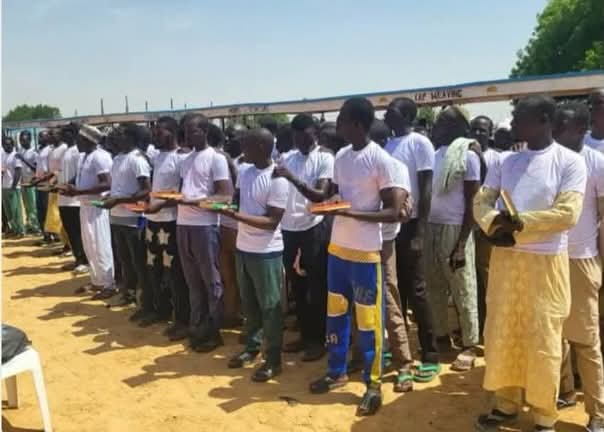
The Borno State Government has reintegrated 720 former insurgents into society after they successfully completed a comprehensive deradicalisation, rehabilitation and reintegration programme, marking another significant step in the state’s efforts to restore peace and stability in the North-East.
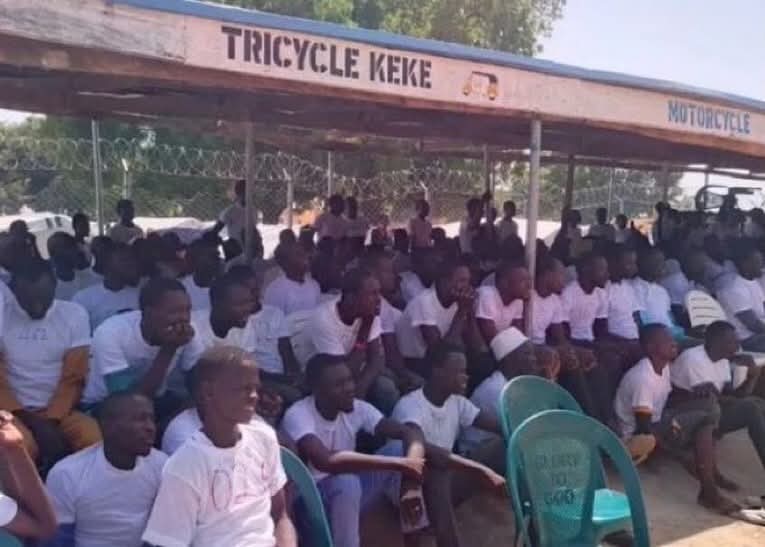
The beneficiaries, classified as low-risk and minor clients, constitute Batch 9 of the state’s rehabilitation initiative designed to provide former insurgents with an opportunity to abandon violence and rebuild their lives as productive members of society.
The reintegration ceremony took place on Friday at the Hajj Camp in Maiduguri, where the participants formally concluded months of rehabilitation and were sworn in using the Holy Quran before being released to reunite with their families and communities across various parts of Borno State.
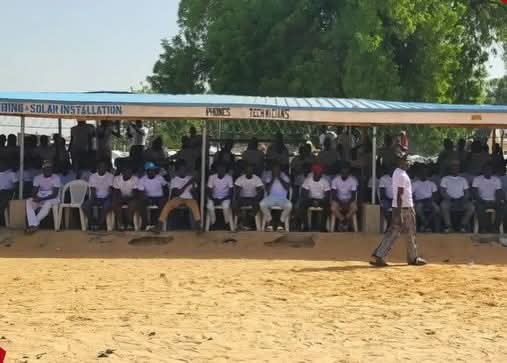
Speaking at the event, the Special Adviser on Security to Governor Babagana Zulum, Brigadier General Ishaq Abdullahi (retd.), described the programme as a critical component of the state’s non-kinetic approach to combating insurgency, emphasizing that military operations alone cannot permanently resolve the security challenges facing the region.
According to Abdullahi, the rehabilitation programme has continued to yield positive results by addressing the ideological, psychological and social factors that often drive individuals into extremist groups. He noted that the initiative remains one of the most effective peacebuilding and conflict-resolution models being implemented in areas affected by insurgency.
The programme forms part of the broader efforts by the Borno State Government, in collaboration with security agencies, traditional institutions, religious leaders and development partners, to encourage defections from insurgent groups while promoting reconciliation and community healing.
Over the years, thousands of former fighters and their family members have surrendered to authorities following sustained military pressure and increasing efforts to provide pathways for rehabilitation and reintegration. The government maintains that the initiative is aimed at reducing the likelihood of recidivism while fostering long-term peace in communities that have suffered years of violence.
The latest reintegration exercise comes as Borno continues to grapple with the lingering effects of the insurgency, which has claimed thousands of lives, displaced millions of residents and devastated critical infrastructure across the North-East region.
Officials say participants in the programme undergo extensive screening, counselling, vocational training, civic education and religious reorientation before being considered fit for reintegration. The process is intended to equip them with practical skills and a renewed sense of purpose to facilitate their transition back into civilian life.
While the programme has received support from peacebuilding advocates, it has also generated debate among some residents and victims of insurgent attacks who continue to demand justice and accountability for atrocities committed during the conflict.
Nevertheless, state authorities insist that reintegration remains an essential component of a comprehensive strategy to end insurgency, rebuild communities and create conditions for lasting peace.
The successful graduation of the 720 former insurgents adds to the growing number of individuals who have passed through the state’s deradicalisation programme, reinforcing Borno’s commitment to combining military operations with dialogue, rehabilitation and reconciliation in its pursuit of sustainable security and development.